



Curriculum
Big Dreams, Bright Futures
Our Curriculum Vision
Fiddlers Lane Community Primary School is a collaborative school community where: every child belongs, achieves and succeeds; every child receives a first-class education and every child is prepared for a future of possibilities. Our curriculum is designed to achieve our school vision by being ambitious for all.
The Why behind our vision statement and approach to curriculum
At Fiddlers Lane, we want every child to leave us confident, capable, and ready for the future. To make sure our curriculum truly prepares children for life, we spent time working closely with staff, families, governors, and the wider community to think carefully about what today’s learners really need.
We imagined a child starting with us at age three and asked ourselves:
“What skills, attitudes and experiences should every child carry with them when they leave Fiddlers Lane?”
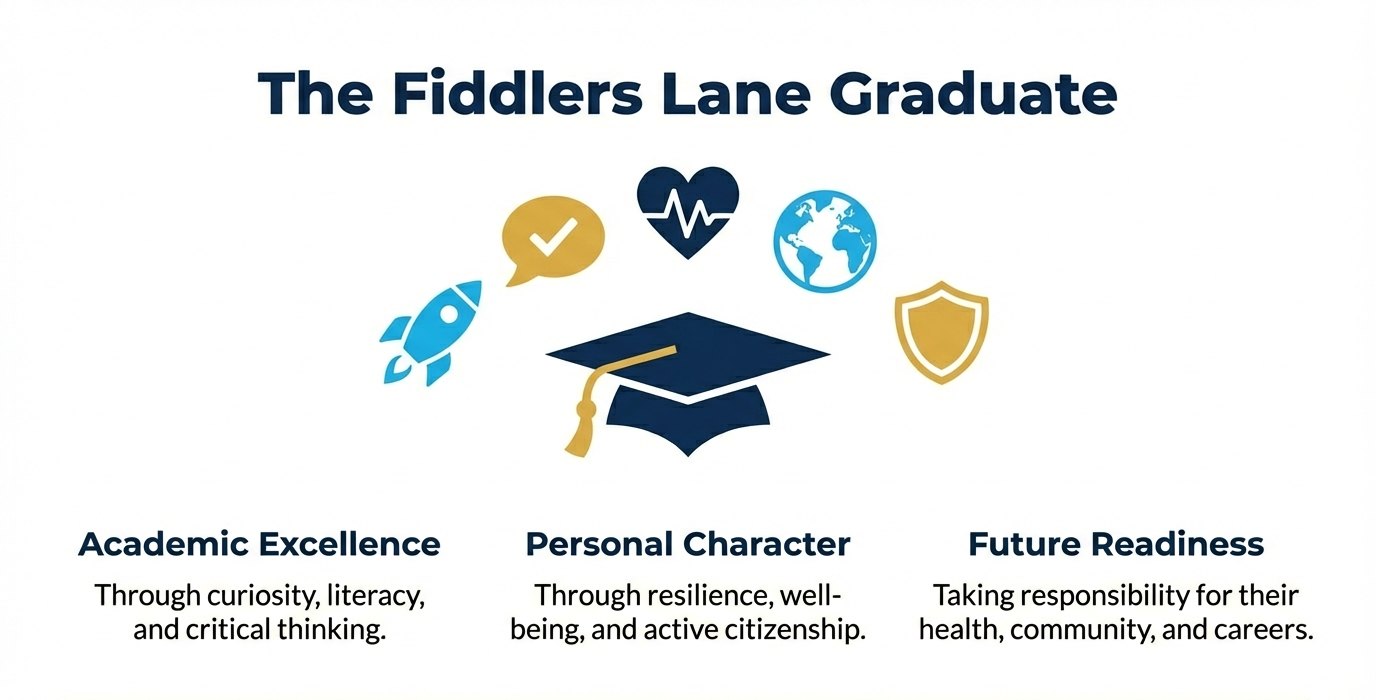
This led to the idea of a learner’s “backpack” – the essential qualities and knowledge we believe will help them thrive in secondary school and beyond.
To shape this, we explored research about future careers, soft skills, and the changing world our children will grow into. We thought about the importance of communication, confidence, resilience and being able to apply learning in real-life situations. We also considered the impact of technology and the huge amount of information children now encounter every day. More than ever, young people need to be able to read well, think critically, spot bias, and make sensible, informed decisions.
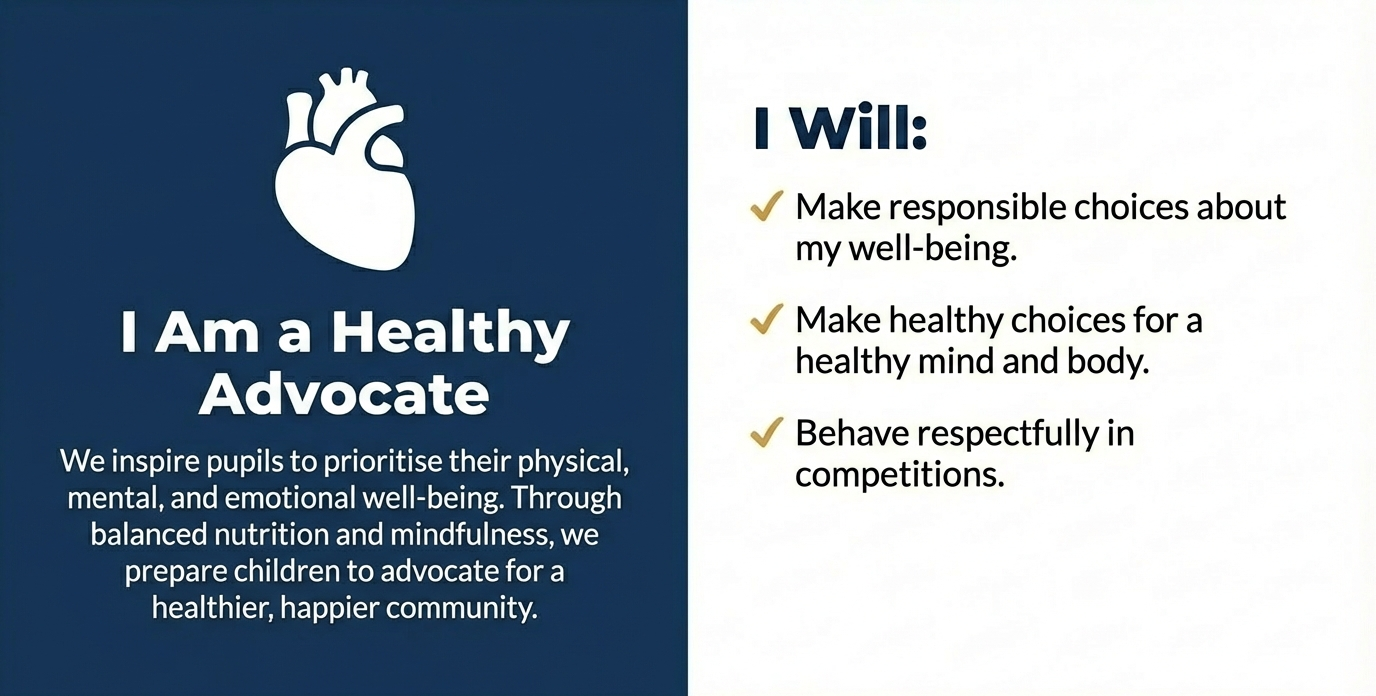
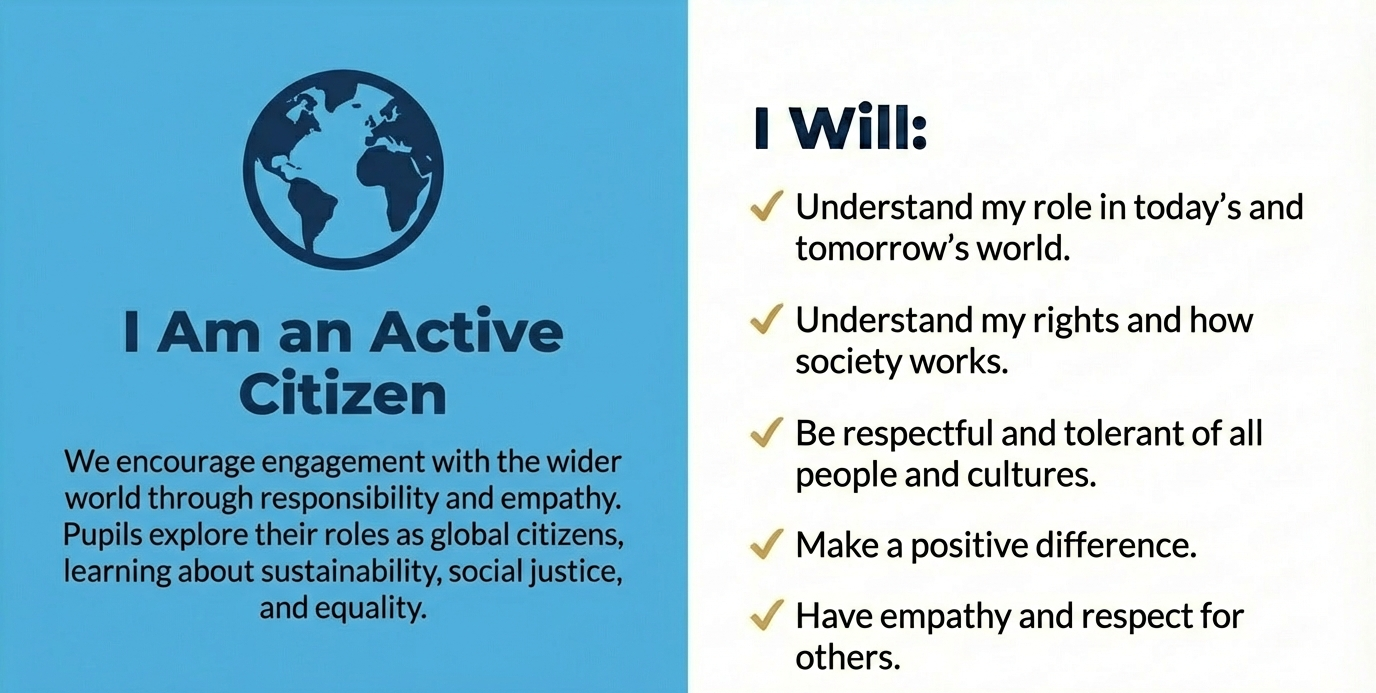
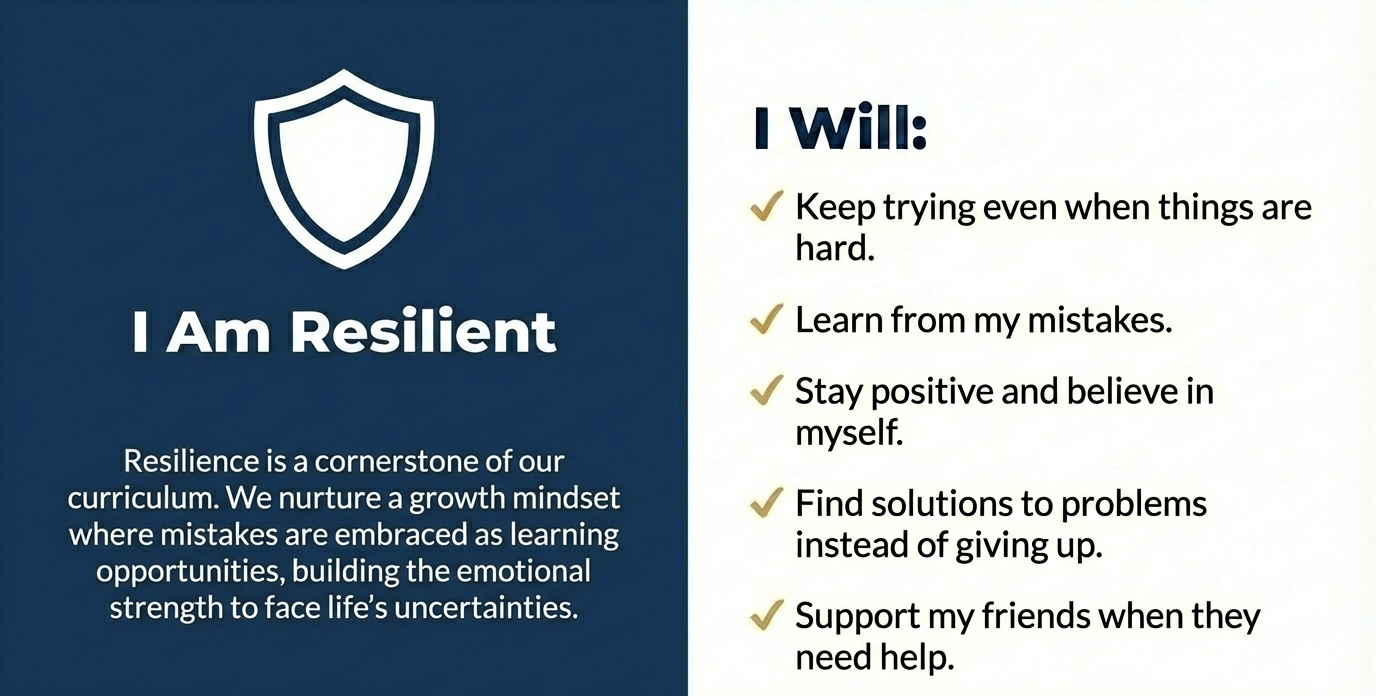
After gathering a wide range of ideas, we grouped everything into clear themes. These became our five curriculum drivers – the foundations that guide everything we do.
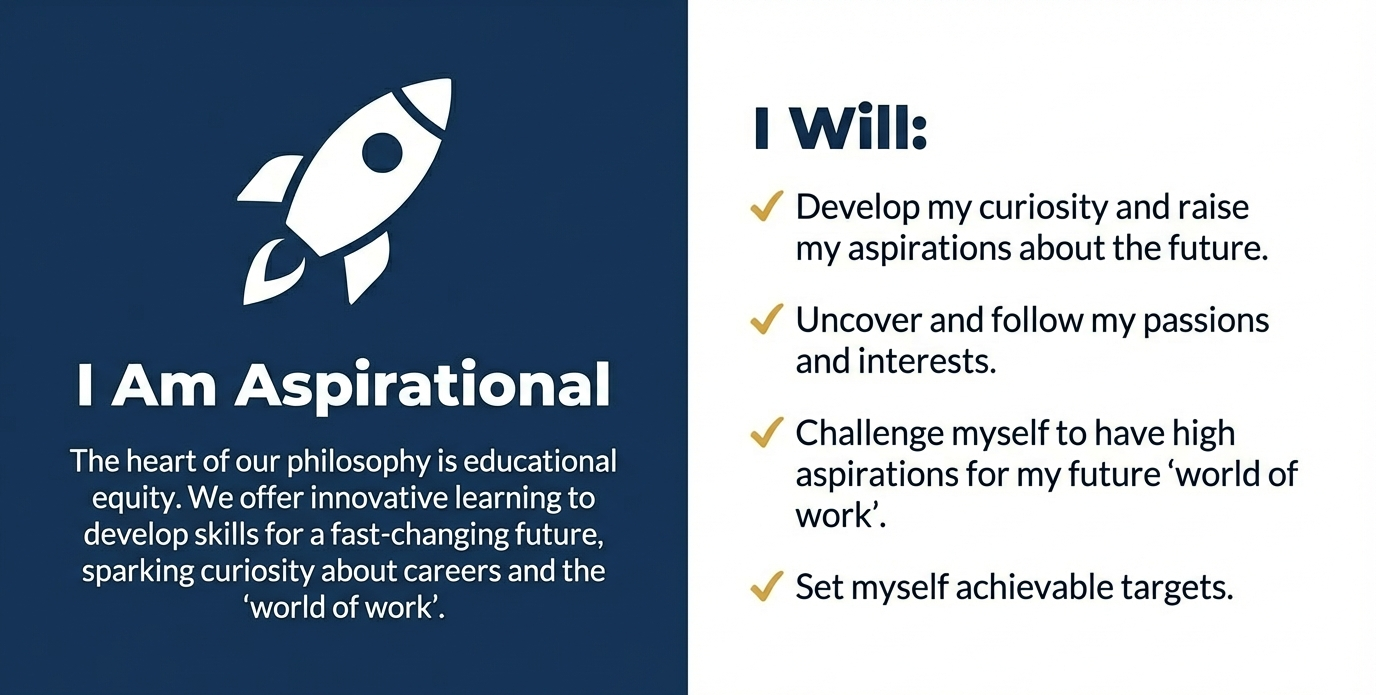
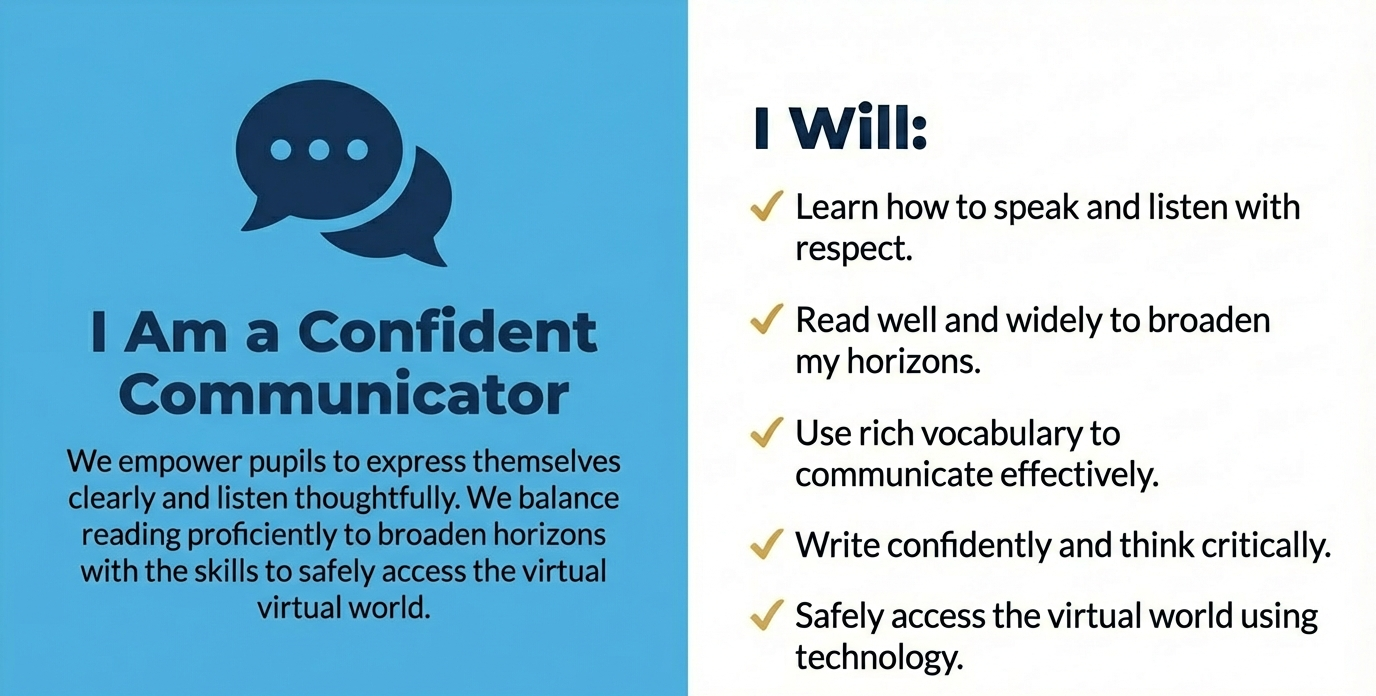
Our Five Curriculum Drivers
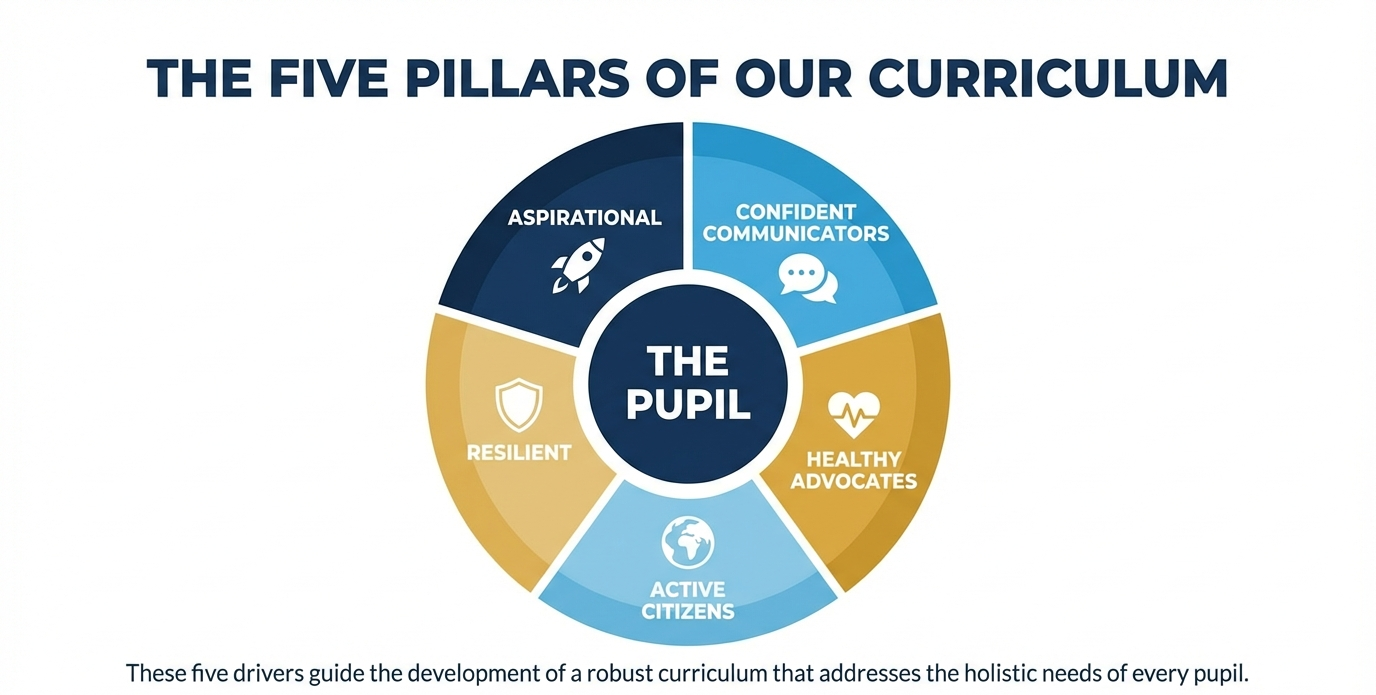
These drivers sit at the heart of our curriculum. They help us ensure every child leaves Fiddlers Lane with the skills and attitudes they need to be successful, fulfilled, and ready for whatever the future holds.
Curriculum Intent
Our school is in a small town called Irlam, which is located within the city of Salford. Salford has very high levels of deprivation and a large majority of our families live within Irlam or the neighbouring towns of Cadishead and Eccles. A number of our pupils come from homes where the challenges of low income and social deprivation have a significant impact on their personal and educational development. At Fiddlers Lane, our goal is to provide a ‘First Class Education’ for all our pupils and deliver a range of enriching experiences to ensure they are culturally literate. As a community primary school, our curriculum aims to utilise what the local community offers our pupils and create a sense of belonging within it. All staff and leaders set the expectation for a positive, caring attitude through the school so all our pupils know that they are valued.
After speaking to our pupils, staff and leaders, we aim to make our curriculum inclusive, fun and exciting, resulting in every child’s day being full of wonder, happiness and curiosity. Our curriculum aims to support our children to gain essential skills enabling them to achieve their dreams and be prepared for a life in modern Britain.
In addition to this, we want our pupils to:
- Have a strong foundation in reading, writing and maths.
- Have access to a language-rich environment.
- Learn how to be resilient members of our community who have high self-esteem and good mental well-being.
- Have pride in themselves and their work and have the confidence to articulate this to others.
- Learn how to be respectful to all members of society, showing honesty and celebrating the diversity of different cultures.
- Develop independence, self-discipline and responsibility.
A Curriculum Where Reading is a Priority
Reading is our highest priority at Fiddlers Lane because it opens the door to every part of the curriculum. Children begin learning to read from their very first day in Reception – and even earlier if they attend our nursery. They follow a structured, systematic phonics programme taught by highly trained staff who know exactly how to support early readers.
We check children’s progress regularly to make sure every child is moving forward confidently. If any pupil begins to fall behind, we identify it quickly and put tailored support in place straight away so they can catch up.
Through excellent teaching and a strong focus on developing a love of books, we ensure that all children become skilled, enthusiastic readers who achieve well and enjoy reading throughout their school journey.
A Curriculum That Develops Character
Our curriculum is designed to help every child grow into a confident, independent learner who can work well with others. It supports pupils in developing respect, resilience, and a strong sense of themselves. Through carefully chosen knowledge and rich learning experiences, children gain the cultural understanding they need to become well‑informed, thoughtful citizens who appreciate human creativity and achievement.
As they learn more about the world, they also develop a deeper understanding of the community they belong to and the role they can play within it.
Inclusion and access to the Curriculum
At Fiddlers Lane, inclusion is at the heart of everything we do. We want every child to feel valued, supported, and able to flourish. Guided by our core values, we create an environment where each child’s emotional, physical, academic, social, moral, spiritual, and cultural needs are recognised and nurtured.
Inclusion means that every child is treated fairly and given the right opportunities to progress at their own pace. We provide different levels of support so that all pupils can access learning successfully.
Our approach is responsive and reflective. We review children’s needs regularly so that we can make swift changes when needed. Support and intervention are provided as early as possible—both within the classroom and through referrals to external agencies where appropriate.
Curriculum Implementation
We provide our pupils with a first class education. High quality plans support high quality teaching. Teachers deliver challenging and engaging lessons which privilege thinking over task completion. Teachers plan lessons that have the potential to lead to mastery and ensure high quality resources are offered to pupils. Knowledge organisers are used to support pupils across the curriculum so that key knowledge can be rehearsed and stored over time in the long-term memory.
High quality professional development ensures teachers and teaching assistants have strong subject knowledge. Subject leaders understand their subject. They know how pupils develop their knowledge and skills from unit to unit and from year to year. They provide support and training for teachers. They review curriculum plans and check the quality of pupils’ learning. Effective pedagogy for teaching and learning is embedded across the school. Leaders check, model and support teachers in class ensuring consistency. Teachers use carefully chosen strategies to:
- Present information clearly enabling pupils to understand key concepts.
- Check pupils’ understanding, identify and correct mistakes and misconceptions.
- Ensure that pupils embed key concepts in their long-term memory and apply them fluently.
- Deliver the subject curriculum in a way that allows pupils to transfer key knowledge to long-term memory.
- Sequence learning so that new knowledge and skills build on what has been taught before and pupils work towards defined end points.
- Assess pupils’ understanding in order to inform further teaching, and to help pupils embed and use knowledge fluently.
- Enable pupils to develop their understanding and link prior knowledge to new learning.
Assessment
Our assessment systems are designed to ensure that pupils embed and secure key knowledge. Formative assessment plays a crucial role in checking that pupils are learning what we intend them to learn. In every lesson, across all areas of the curriculum, teachers use retrieval practice and a range of low‑stakes assessment strategies to review prior learning. The information gathered is then used to inform teaching, adapt planning, and guide pupils’ next steps in their learning journey.
We collect summative assessment information three times a year for core subjects and once a year for foundation subjects. This aligns with the recommendations set out in The Teacher Advisory Workload Report – “Making Data Work”. Following each data collection point, information is collated for teachers, who then analyse it to identify next steps and address any gaps in learning. Leaders remain mindful of workload and regularly review school assessment systems to ensure they are purposeful and do not create unnecessary burdens.
Curriculum Impact
Leaders and teachers evaluate the impact of the curriculum using both qualitative and quantitative evidence. We measure pupils’ progress and attainment against the intended curriculum outcomes by asking, “This is what has been taught—have they secured it?” Regular monitoring includes reviewing pupils’ work, engaging in pupil discussions to hear their perspectives, and observing what pupils can independently demonstrate. We understand that progress is not always linear, and any conversations about data are always rooted in a discussion about the curriculum itself.
The positive impact of our curriculum is evident in our KS2 outcomes. Many pupils enter EYFS at Fiddlers Lane with skills and knowledge below age‑related expectations. As they move through school, they make strong progress. This good progress continues across KS2, resulting in outcomes that are broadly in line with national expectations by the end of the key stage.